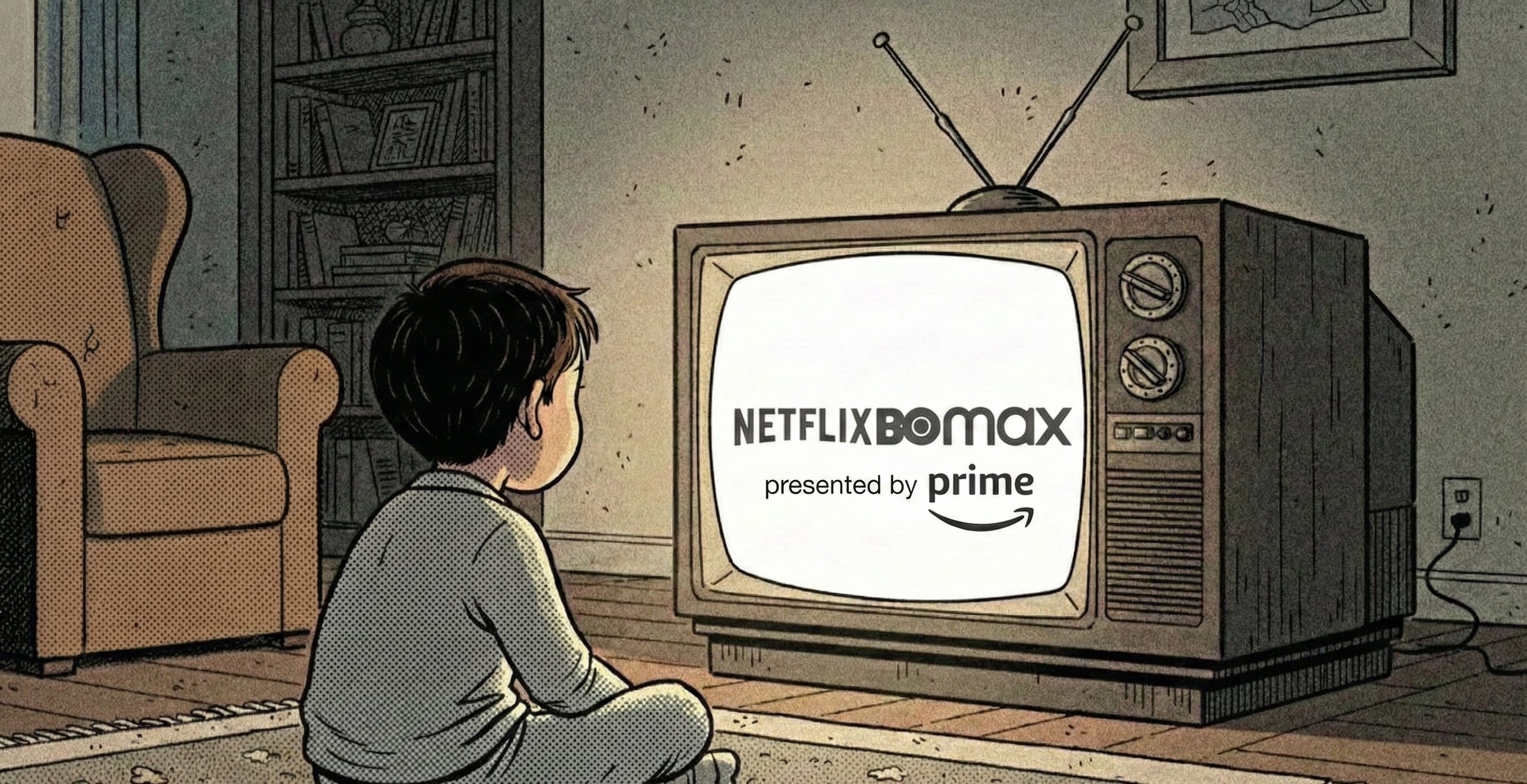
NetflixBO Max
The pendulum swings back!

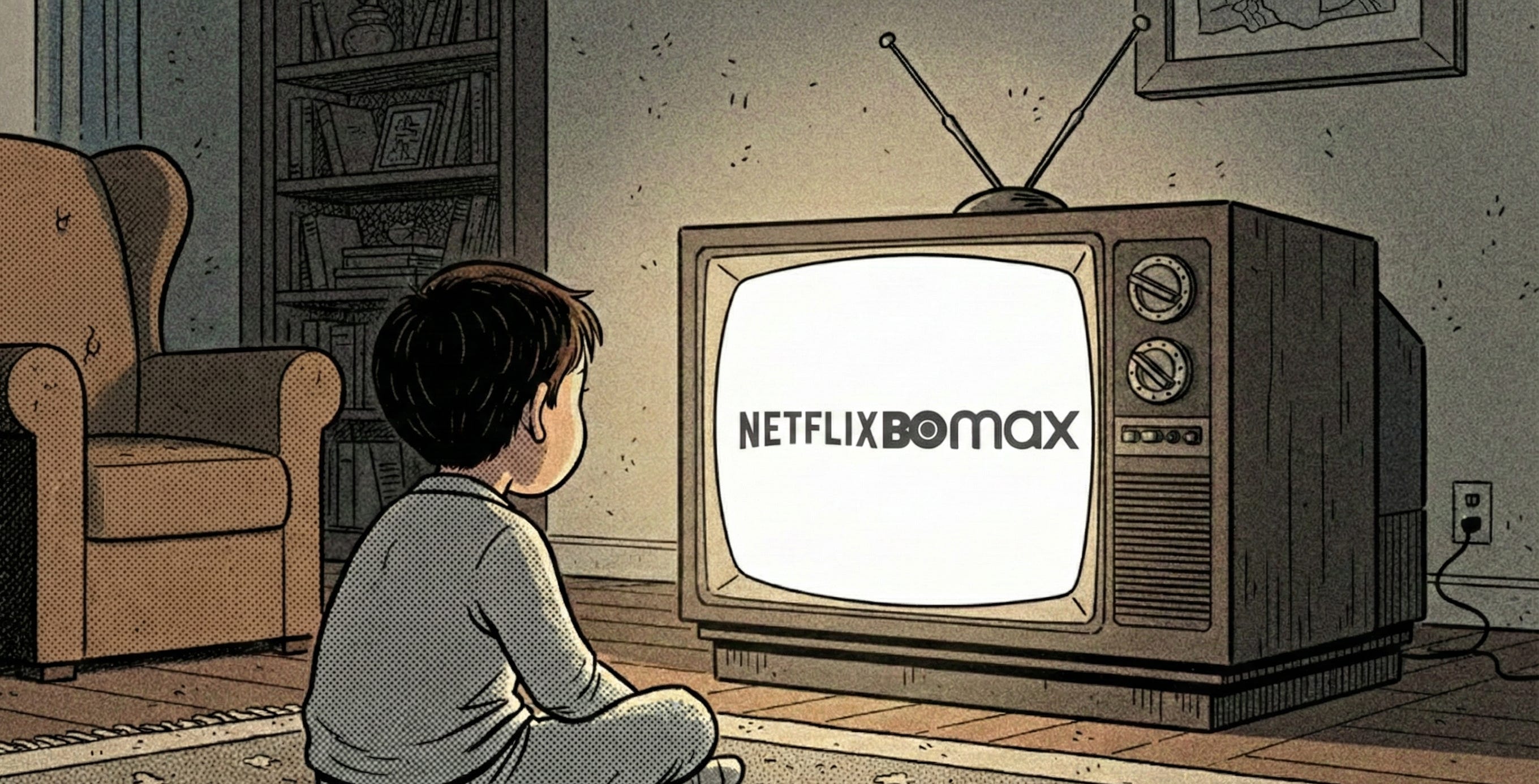
Yesterday Netflix announced that it agreed to acquire Warner Bros.’ film and television studios and streaming service (HBO and HBO Max) in a whopping $82.7 billion deal. This made me immediately think of a few articles, written by Ben Thompson over the years, as a part of his Bundling and Unbundling series. The one that kicked things off was The Great Unbundling, which was written in January 2017.
The gist of it is that the cable TV bundle historically had a stranglehold on distribution of TV content. You had to subscribe to one of your local cable providers’ expensive plans if you wanted to watch live sports or most network TV shows. Trends eventually shifted with the emergence of Netflix and consumer preference to cut the cord. This eventually led to many, if not most networks deciding to roll their own streaming services over the years.
At surface level, this seemed great for consumers. Instead of begrudgingly paying $80+ for a cable bundle, when you only watched two or 3 channels on it, you could just buy a few specific subscriptions directly from the networks or streamers you liked the most. Cord-cutters rejoiced worldwide… Until reality set in. What ended up actually happening was that many of us (especially sports fans) now pay a lot of money for some online version of cable and subscribe to 4-5 additional streaming services, whom have the pricing power to raise subscription prices annually with very little churn.
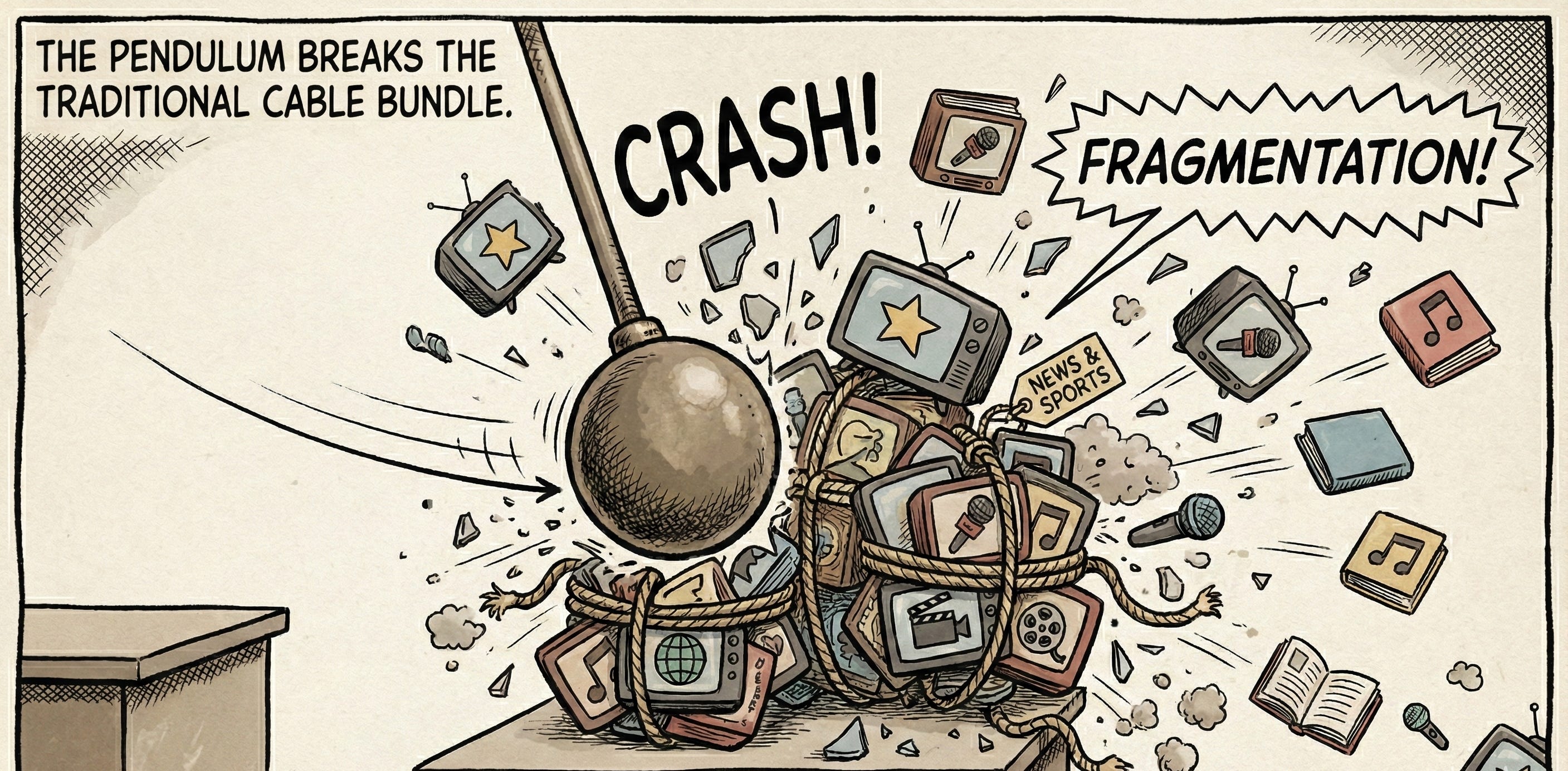
The Pendulum Swings Back!
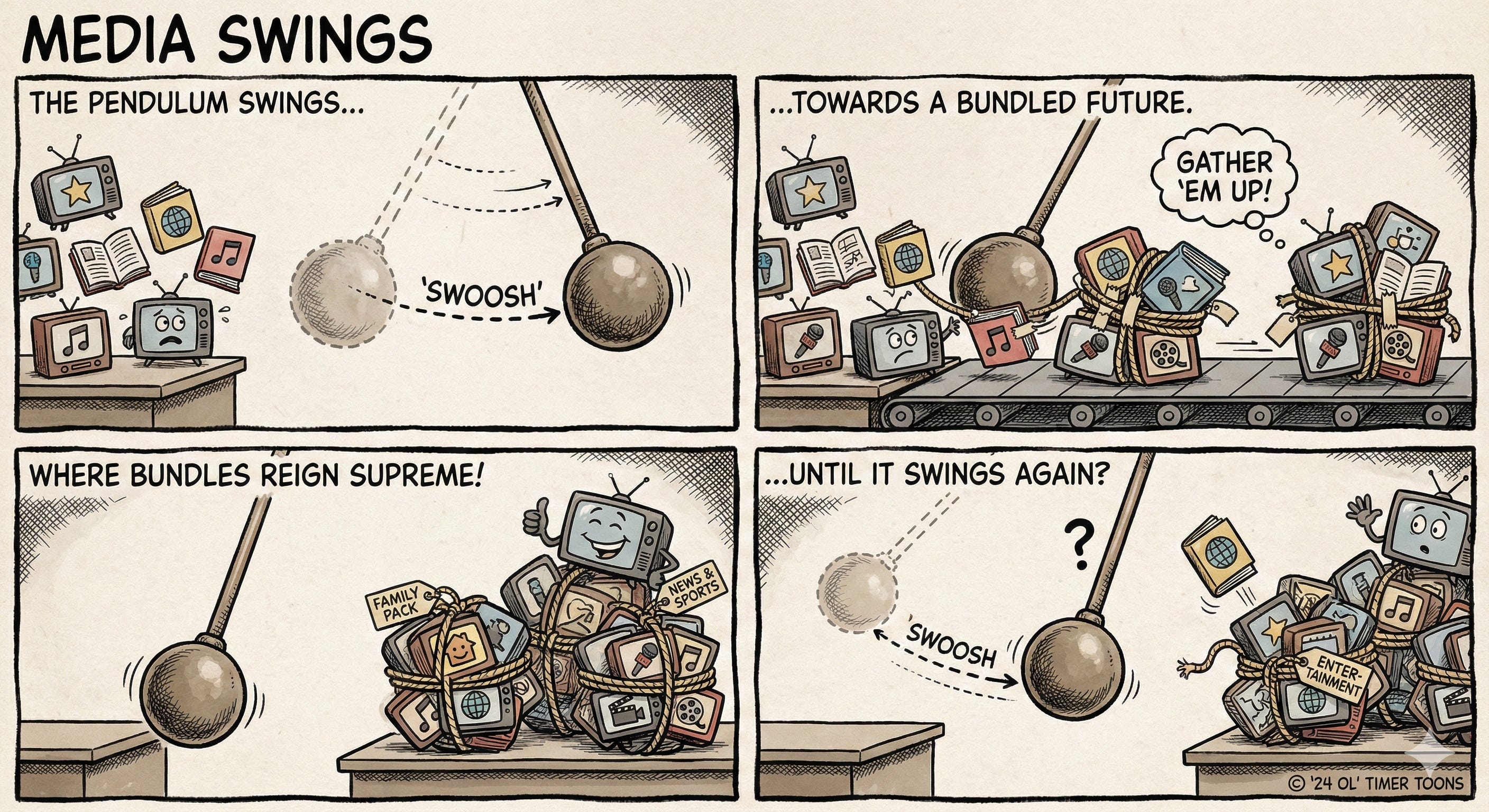
Imagine a giant pendulum in the middle of the industry. On one side, you have Unbundling. This is what I described above. We hated cable. We hated paying for channels we didn’t watch. We wanted freedom. So we cut the cord. We broke the system apart into a million tiny, specialized apps.
Now on the other side, you have Bundling. This is where the pendulum is smashing into right now, giving us new service offerings such as “NetflixBOMax”. The key difference this time is that the cable provider isn’t the one in power anymore. They’ve been hollowed out to a degree. Now it’s the mega-streamers that are consolidating the best content, studios, and ad revenue. Netflix Premium is ~$25/month and (HBO) Max Premium is ~$23/month. That’s about $50/month for an ad-free 4K viewing experience. Most people will choose the subscriptions that include ads because it’s more affordable. Those are roughly $20/month together. In the old model, the ad revenue was captured by the cable operators. It goes to Netflix in this new model.
On Pendulum Swings and Polarities
So, why does this keep happening? Why do we break things apart just to glue them back together? The answer lies in a concept I learned at Google. I had the privilege to participate in a PM leadership development program last year. You had to apply to get in and only a select few people made the cut. Thankfully, I was one of those people. We learned a lot of important lessons and concepts to help us prepare for the next level in our roles. One of the things that really stuck with me was the concept of polarities.
A polarity is when two opposite things that depend on each other to exist and can’t be solved or gotten rid of; they are in constant tension and need to be managed, not eliminated.
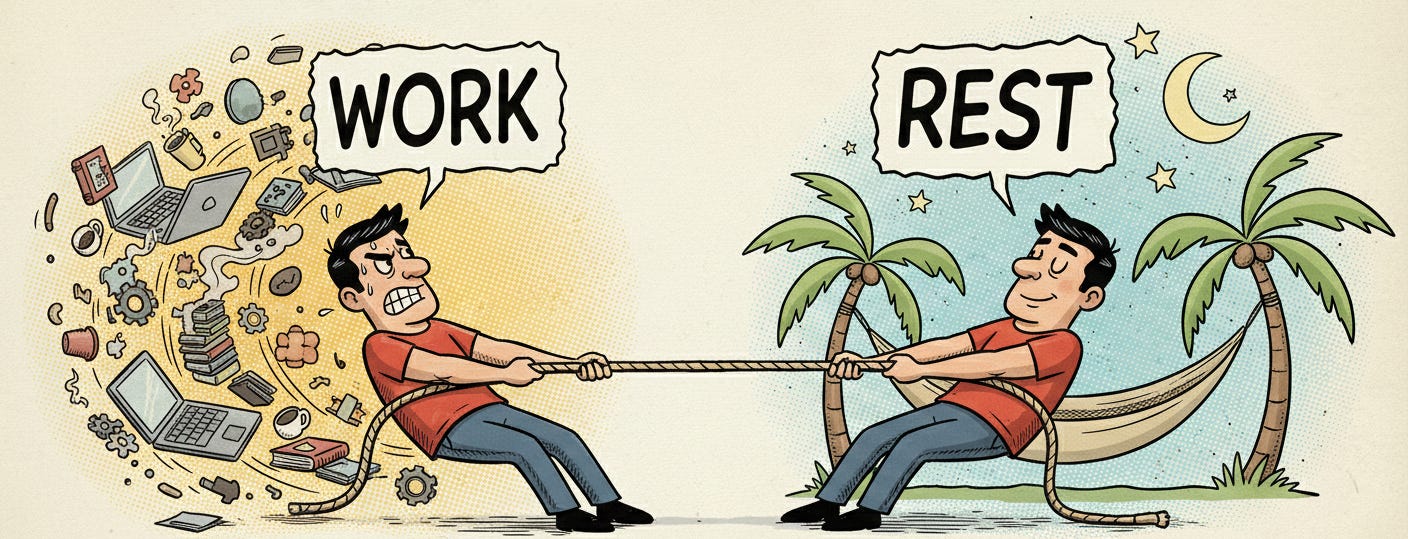
The way to think about this is that every strategy or decision has its tradeoffs. There is no perfect strategy or decision. Tension is normal and omnipresent. It’s about identifying what you’re optimizing for at the moment and acknowledging the drawbacks of it. At a certain point, the pendulum swings too far and the tradeoffs become too large. That’s when you need to shift strategies, to mitigate the downfalls of the prior strategy and optimize for the new thing. Some example polarities are below:
Centralize vs. Decentralize: Control vs. Freedom in decision-making
Stability vs. Change: Doing things right now vs. preparing for the future
Work vs. Rest: Pushing yourself to perform vs. taking time to recharge
Bundling vs. Unbundling: Optimizing for convenience vs. optimizing for choice
The constant shifting from one polarity to the next is a feature, not a bug. The sooner we understand it, the better we can process and accept things as they are. This is why the concept of Polarities is so critical for understanding tech, business, life, and many other things. We tend to think of progress as a straight line with things always getting “better” on a perpetual basis. But in reality, progress is a pendulum. This is also why I believe there is no such thing as perfect balance in the short-term. It’s a myth. In the long run things look like a straight line but once you zoom in you can see micro swings back and forth between polarities.
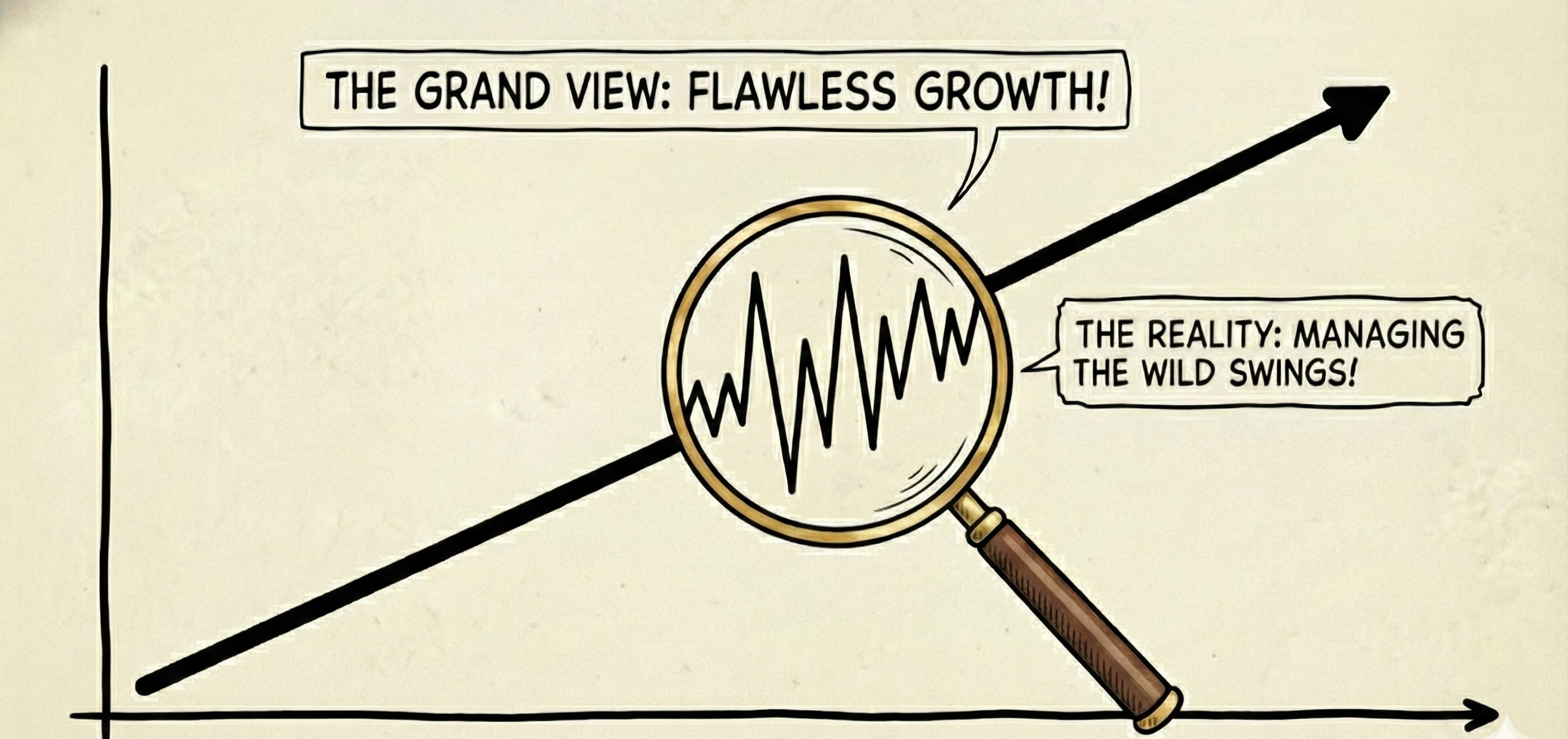
There’s no need to look at this (potential) acquisition as an end state for the entertainment industry. It’s just the industry continuing its shift from one side of the spectrum to the next. The the tension between bundling and unbundling will never go away. It’s up to businesses to recognize which side of the pendulum they’re on and to make sure they don’t get destroyed by the wrecking ball when the pendulum swings back.
Who knows, maybe we’ll get “NetflixBO Max, presented by Amazon Prime” in the near future..
And five years after that? Some kid in a garage will invent a new way to sell us scenes in movies one by one, and the whole cycle will start all over again.